
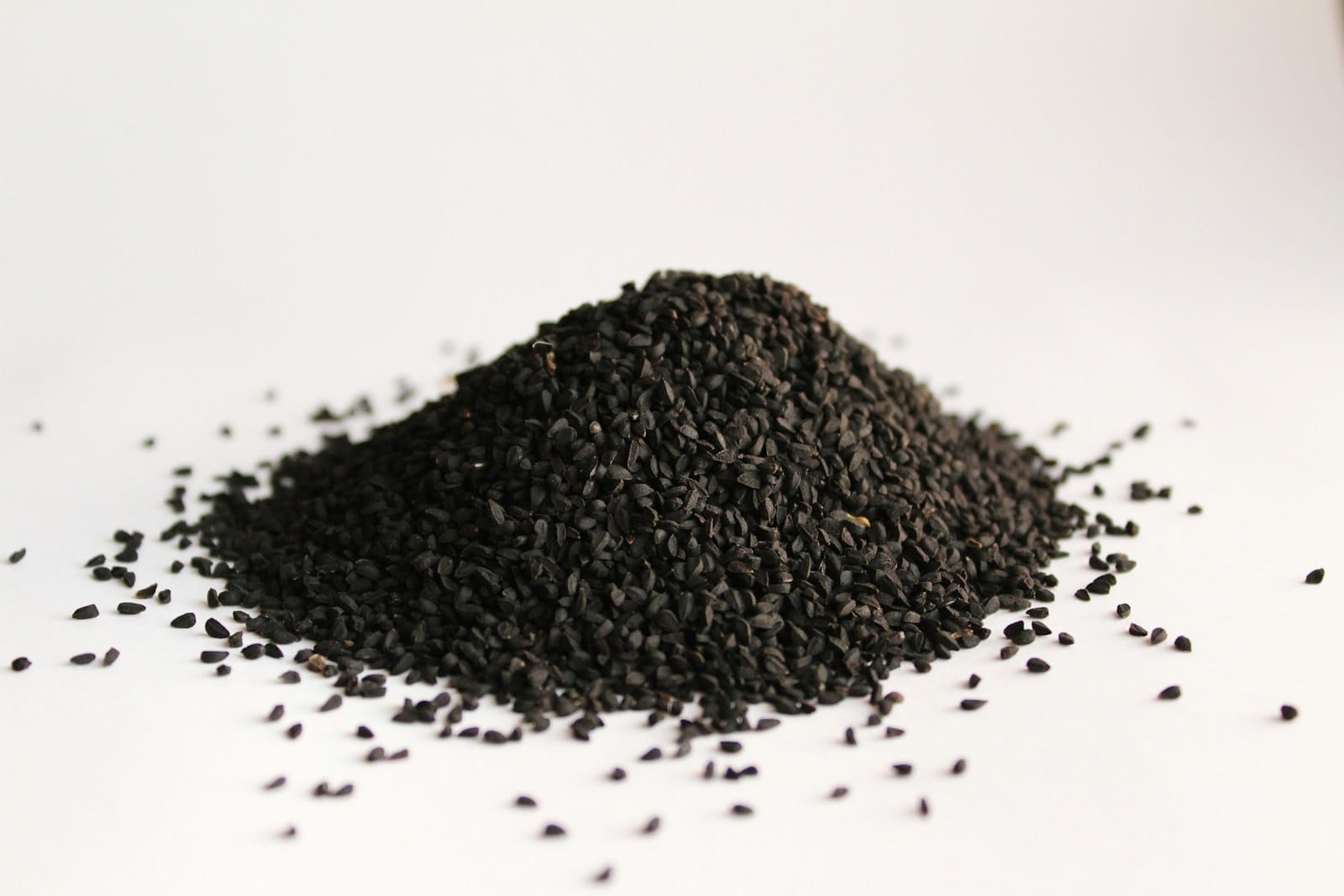
Few natural remedies boast a history as long as black seed. For over 3,000 years, the small black seeds of the Nigella sativa plant have been valued in traditional medicine — and in recent years, modern research has also taken a keen interest in them. What's the truth behind the "Gold of the Pharaohs"? Let's take a look at its history, ingredients, and current research.
A History That Connects Cultures
Black seed has accompanied humanity since antiquity. In the tomb of Pharaoh Tutankhamun, archaeologists discovered a vial of black seed oil — it was considered so precious that it was given to the king for the afterlife. The plant was also described as a remedy in ancient Greece and Rome.
In Islamic tradition, black seed holds a special significance: The Prophet Muhammad ﷺ said of black seed that it is a remedy for every disease — except death (narrated by al-Bukhari and Muslim). The Persian polymath Ibn Sina — known in Europe as Avicenna, whose "Canon of Medicine" was the standard work at European universities for about 600 years — recommended black seed for respiratory problems and to strengthen the immune system, among other uses.
Remarkably, many of these traditional applications align with what modern research is investigating today.
What's in Black Seed?
The seeds contain a unique spectrum of active ingredients:
- Thymoquinone — the most important bioactive compound, credited with antioxidant and anti-inflammatory properties
- Essential oils — responsible for the characteristic, slightly peppery taste
- Unsaturated fatty acids — primarily linoleic acid (Omega-6)
- Vitamins and trace elements — including Vitamin E, B vitamins, iron, and zinc
What Does Modern Research Say?
Immune System and Allergies
Several clinical studies have investigated black seed oil for allergic rhinitis (hay fever). The results: participants reported fewer sneezing attacks, clearer nasal passages, and overall milder symptoms. Researchers attribute this to the antihistamine-like and anti-inflammatory effects of thymoquinone.
Respiratory Tract and Asthma
A placebo-controlled study from 2017 showed that asthma patients who additionally took black seed oil capsules achieved better asthma control and improved lung function values. Black seed does not replace asthma medications — but the results are considered promising for adjunctive use.
Blood Sugar and Metabolism
Meta-analyses — i.e., summarizing evaluations of many individual studies — suggest that black seed can slightly lower fasting blood sugar and the long-term HbA1c value in people with type 2 diabetes. Positive effects on cholesterol levels (LDL reduction) have also been observed multiple times.
Blood Pressure and Cardiovascular System
For slightly elevated blood pressure, some studies showed moderate reductions in values after several weeks of intake. The effects are not dramatic but measurable — and considerable for a natural product.
Application: Oil, Seeds, or Capsules?
Black seed is available in three common forms:
- Cold-pressed oil — the most popular form. Typically, 1 teaspoon daily, pure or in yogurt, smoothies, or salad dressing. The taste is intense and slightly pungent.
- Whole seeds — lightly toasted over bread, salads, or vegetable dishes. Common in oriental and Turkish cuisine for centuries (e.g., on flatbread).
- Capsules — tasteless and easy to dose, ideal for those who find the pure oil too intense.
A classic home remedy: 1 teaspoon of black seed oil with a teaspoon of honey — the traditional combination of two proven natural remedies.
What to Look for When Buying
- Cold-pressed and virgin — heat destroys sensitive active ingredients
- Origin — Egyptian black seed is considered particularly high quality
- Dark glass bottle — protects the oil from light and oxidation
- 100% pure — without additives or dilution with other oils
Side Effects and Limitations
Black seed is generally well-tolerated in usual amounts. However, you should note:
- For sensitive stomachs, pure oil may initially cause burping or a slight burning sensation — in which case, it's better to take it with meals
- During pregnancy, larger quantities (beyond culinary use) should be avoided
- Those taking blood pressure-lowering or blood sugar-lowering medications should discuss intake with their doctor — the effects can be additive
Black Seed Oil, Cold-Pressed
Conclusion
Black seed is one of the few traditional remedies where millennia of experience and modern research remarkably often agree. Whether for immune system support, allergies, or metabolism — the small black seeds have earned their firm place in a natural, conscious lifestyle. Not a miracle cure, but a well-researched piece of natural medicine with a rich history.
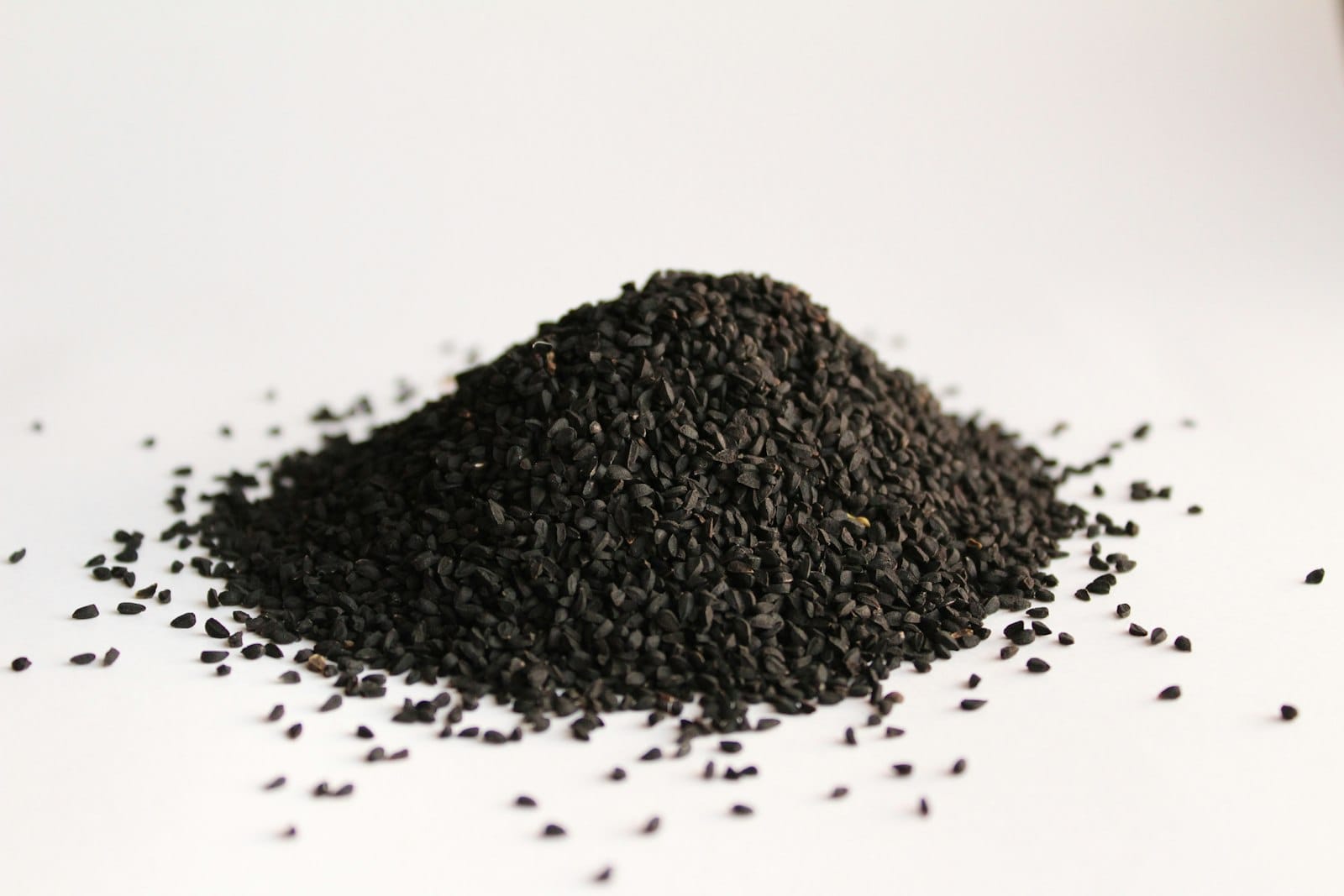
Black Seed Oil, cold-pressed
100% virgin oil from Nigella sativa — Egyptian quality, in a dark glass bottle.