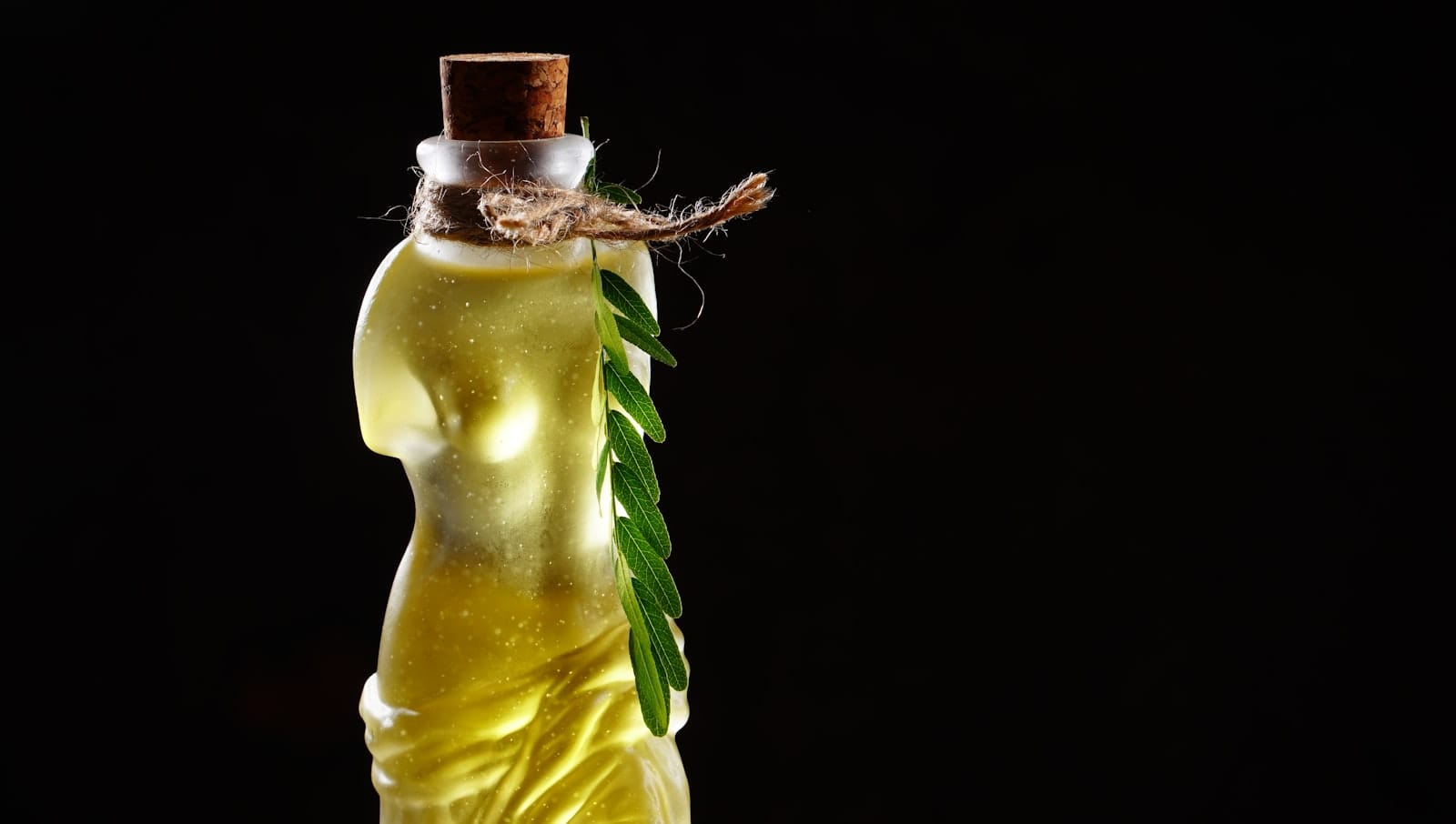
Golden-green, slightly bitter, with a delicate pungency on the finish: good olive oil is far more than just a cooking fat. For millennia, it has been considered a treasure in the Mediterranean and the Orient – as food, medicine, skin care, and a symbol all at once. Modern nutritional research largely confirms this ancient appreciation today. So, what truly lies within this "liquid gold" – and how can you recognize and utilize a good oil?
What Makes Olive Oil So Valuable
Olive oil consists of roughly three-quarters monounsaturated fatty acids, primarily oleic acid. These fats are considered particularly heart-friendly because they can have a beneficial effect on blood lipid levels. Unlike many vegetable oils, olive oil delivers its fats in a stable, minimally processed form.
However, the real secret lies in its accompanying compounds: over thirty different polyphenols. The most well-known are oleocanthal and hydroxytyrosol. They act as antioxidants, scavenging "free radicals," and can dampen inflammatory processes. Oleocanthal is so interesting that researchers have even compared its effect to a mild anti-inflammatory. Additionally, it contains vitamin E and squalene. By the way: the slight pungency that good oil produces in the throat comes directly from these polyphenols – it's a good sign, not a flaw.
What Research Shows
The strongest evidence comes from the large Spanish PREDIMED study with several thousand participants: a Mediterranean diet, supplemented with plenty of extra virgin olive oil, significantly reduced the risk of major cardiovascular events compared to a low-fat control diet. Further studies suggest beneficial effects on blood vessels, blood pressure, and inflammatory markers in the body; there is also promising evidence for brain health.
It's important to honestly acknowledge: olive oil is not a medicine or a miracle cure. Its strength lies not in a single "active ingredient," but in daily, moderate use as part of an overall balanced, plant-based diet – precisely as people in the Mediterranean have always done.
Ancient Wisdom from the Mediterranean and the Orient
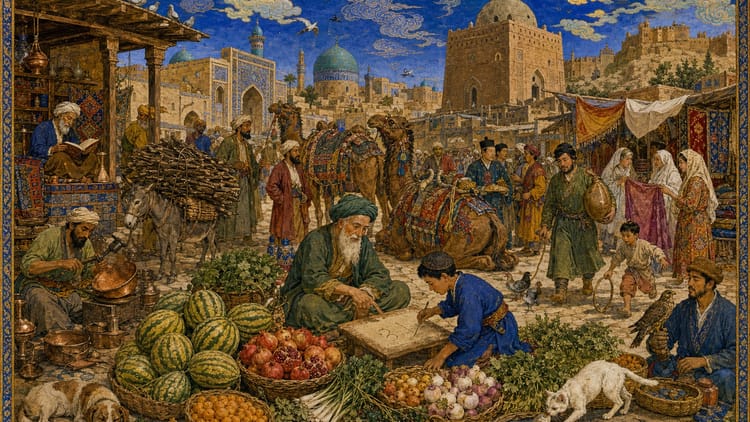
The olive tree is one of humanity's oldest cultivated plants. Even in the early high cultures around the Mediterranean, it was considered sacred; its oil served as food, lamp oil, for skin care, and as a remedy for digestive problems and on the skin. In many cultures and writings of the Orient, the olive is considered a blessed fruit. Olive oil also held a firm place in the traditional medicine of the Mediterranean and the Orient.
This millennia-old experience now aligns with the findings of modern nutritional science – a beautiful example of how traditional knowledge and research confirm each other, rather than contradicting.
Virgin, Extra Virgin, or Refined?
Not all olive oil is the same. The quality grades reveal a lot:
- Extra virgin olive oil: the highest grade, purely mechanically and cold-extracted, with low acidity and full aroma. This is where most polyphenols are found.
- Virgin olive oil: also directly pressed, but slightly lower quality and milder taste.
- Refined or "mild" olive oil: industrially processed, less flavorful, and low in valuable accompanying compounds.
For health and taste, extra virgin olive oil is clearly worth it.
What to Look for When Buying
You can recognize good quality by a few key points:
- Dark glass bottle or tin: protects the light-sensitive polyphenols.
- Harvest date & origin: the fresher, the better – good oil openly states the region and vintage.
- Low acidity (often indicated) and an organic or origin seal.
- Taste: fruity, with a slight bitterness and pungency – bland and "tasteless" is a bad sign.
Be cautious with very cheap "Mediterranean blends": unfortunately, these are often diluted or contain inferior goods. If you are looking for a high-quality oil, look for "extra virgin" in a dark bottle – such as high-quality organic extra virgin olive oil (Advertisement).
How to Use Olive Oil Correctly
You get the most polyphenols when you use the oil raw: over salads, vegetables, soups, legumes, or simply with fresh bread. Drizzled as a "finish" over the finished dish, it fully develops its aroma. Contrary to a common myth, extra virgin olive oil is perfectly suitable for sautéing and braising at medium heat – only very strong, prolonged heating above the smoke point should be avoided, as this can compromise taste and ingredients. One to two tablespoons daily is a good, practical guideline.
Proper Storage – To Keep It Good
Olive oil is sensitive to light, heat, and oxygen. Store it in a cool, dark, and tightly sealed place, but not in the refrigerator. Do not place it next to the stove. After opening, you should consume it within a few months – fresh oil not only tastes better, but it also contains more of the valuable compounds.
This article is for informational purposes only and does not replace medical or nutritional advice.