
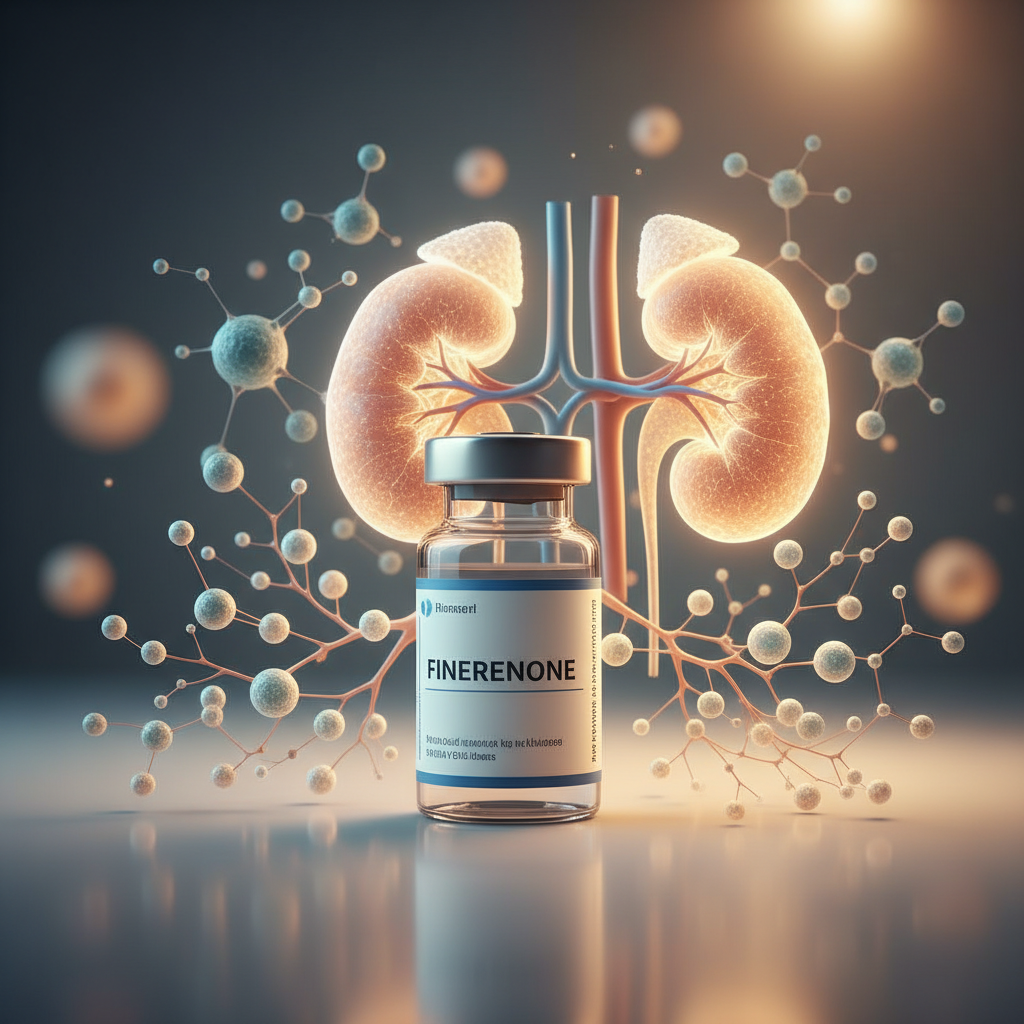
Chronic kidney disease often develops unnoticed for years, affecting millions of people, many of whom also have type 2 diabetes. A relatively new drug is attracting attention in this area: Finerenone (brand name Kerendia). What's behind it?
How Finerenone Works
Finerenone belongs to a new class of medications that block a specific messenger receptor in the body (the mineralocorticoid receptor). This slows down inflammatory and scarring processes in the kidneys and heart. Unlike older drugs with a similar approach, it is more targeted, which can reduce certain side effects.
What the Studies Show
In large studies involving individuals with chronic kidney disease and type 2 diabetes, finerenone was shown to reduce the progression of kidney disease and severe cardiovascular events. More recent data also suggest that patients with certain forms of heart failure could benefit, significantly expanding the circle of potential users. However, specific percentages should only be mentioned if they are clearly supported by the studies.
What This Means for Patients
Finerenone is a prescription-only medication and not for self-treatment. Medical supervision is crucial, as a known risk is an elevated potassium level in the blood (hyperkalemia), which must be monitored. Whether the medication is suitable is decided by the treating physician based on individual patient values.
Prevention Remains Key
As helpful as new medications are, the best protection for the kidneys remains prevention: keeping blood pressure and blood sugar under control, drinking enough fluids, eating a low-salt diet, and exercising regularly. This aligns perfectly with Avicenna's philosophy, who prioritized daily lifestyle over mere treatment.
This article is for informational purposes only and does not replace medical advice.