
Turmeric & Curcumin: The Anti-Inflammatory Gold of Natural Medicine
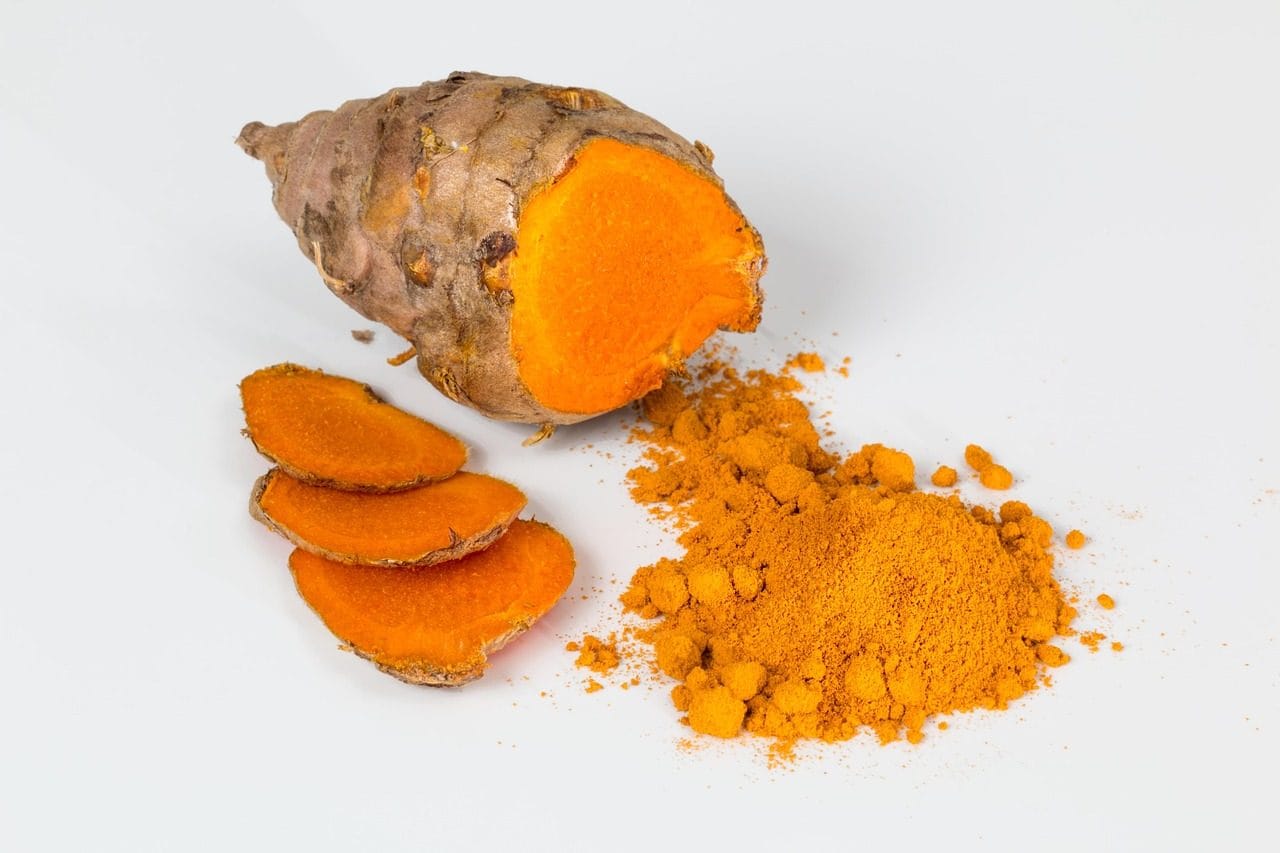
For millennia, turmeric (Curcuma longa) has been used as a medicinal remedy in Ayurvedic and traditional medicine. This vibrant yellow root, which also gives curry blends their characteristic color, was known as the "spice of life" in ancient India. Today, thousands of years later, modern science confirms what traditional healers have known for generations: curcumin, the main active compound in the turmeric root, possesses impressive anti-inflammatory and antioxidant properties. A recent meta-analysis of 66 randomized controlled trials shows that curcumin systematically lowers inflammatory markers in the body — sometimes with astonishing effects.
What is Curcumin and Why is it So Effective?
Curcumin is a polyphenol and makes up about 2 to 5% of the turmeric root. It is the most important of the so-called curcuminoids, which are responsible for turmeric's intense yellow color and its health benefits. At a molecular level, curcumin intervenes in several inflammatory pathways: it inhibits enzymes like COX-2 and LOX, reduces the expression of inflammatory genes, and directly neutralizes free radicals. This means it acts on multiple levels simultaneously — one reason why it shows significant effects in so many studies.
Curcumin's ability to lower CRP (C-reactive protein), a key inflammatory marker in the blood, is particularly relevant. CRP is one of the most important biomarkers for systemic inflammation in the body and is routinely measured by doctors as an indicator of chronic inflammatory processes.
Scientific Findings: What Do the Studies Say?
The most comprehensive meta-analysis to date on the effects of curcumin was published in 2023 by Dehzad and colleagues in the journal Cytokine. It analyzed 66 randomized controlled trials (RCTs) with a total of over 6,000 participants and used the GRADE method for quality assessment. The results are impressively clear:
- CRP significantly decreased by −0.58 mg/l (95% CI: −0.74 to −0.41) — a clinically relevant reduction in the most important inflammatory marker.
- TNF-α decreased by −3.48 pg/ml — a key messenger molecule in chronic inflammation.
- IL-6 decreased by −1.31 pg/ml — another central pro-inflammatory cytokine.
- Total antioxidant capacity (TAC) increased by +0.21 mmol/l and SOD activity by +20.51 u/l — both markers for improved cellular oxidation protection.
A second meta-analysis by Daily and colleagues (2016) specifically investigated the effect of curcumin on joint arthritis. Across 8 RCTs, it was shown that about 1,000 mg of curcumin per day significantly reduced the pain score (PVAS) (MD: −2.04; P < 0.00001) and also significantly improved the WOMAC score, which measures functional impairment in osteoarthritis (MD: −15.36; P = 0.009). Particularly fascinating: curcumin was just as effective as conventional pain relievers (NSAIDs) in direct comparison — in 5 studies, there was no significant difference between curcumin and pain medications in pain relief.
Sources: Dehzad et al. 2023 (Cytokine) | Daily et al. 2016 (J Med Food)
The Bioavailability Problem: Why Pure Curcumin Alone Isn't Enough
However, there's a crucial catch: curcumin has extremely poor oral bioavailability. When pure curcumin is ingested, the majority is rapidly metabolized and excreted in the gut and liver. The classic pharmacokinetic study by Shoba and colleagues (1998) showed that even after taking 2 g of curcumin, serum levels in humans were "undetectable or very low."
This is where one of the most important findings in curcumin research comes into play: piperine, the pungent compound in black pepper, increases the bioavailability of curcumin in humans by 2,000% — that is, by 20 times. Piperine inhibits hepatic and intestinal glucuronidation, the metabolic pathway that so quickly renders curcumin inactive. This synergy is one reason why in Ayurvedic and Southeast Asian cuisine, turmeric is almost always combined with black pepper and fat — a combination that is now proving to be scientifically sound.
The fat-soluble nature of curcumin also plays a role: taking it with some fat (such as a glass of coconut milk or a meal with olive oil) further improves absorption. Liposomal formulations and BCM-95 extracts have also shown significantly improved bioavailability.
Source: Shoba et al. 1998 (Planta Med)
The Islamic and Traditional Perspective
Turmeric also holds significance in Islamic medical history. Ibn Sina (Avicenna) mentions various spices and plants with warming and anti-inflammatory properties in his Canon of Medicine. Traditional Islamic medicine (Tibb al-Nabawi) recommends spices like turmeric, ginger, and black pepper not only for flavoring food but also as part of a holistic diet that promotes health and well-being. The combination of turmeric with black pepper, now considered scientifically validated, has been a matter of course in traditional Southeast Asian and Islamic cuisine for centuries.
Practical Tips: How to Use Curcumin Optimally
- Daily Dose: In most effective studies, the dose was 500–1,000 mg of curcumin (as a 95% extract) per day, ideally in combination with piperine or as a liposomal formulation.
- With Black Pepper: If using fresh or powdered turmeric, always add a pinch of black pepper — this massively increases bioavailability.
- Combine with Fat: Since curcumin is fat-soluble, it is recommended to prepare it with some coconut oil, olive oil, or in coconut milk (e.g., as Golden Milk).
- Supplementation: For targeted use, such as for joint pain or chronic inflammation, high-quality curcumin capsules with piperine can be beneficial. A recommended option is [Advertisement] SUNDAY NATURAL Turmeric Extract with Organic Piperine — a highly concentrated 95% extract with optimized curcumin content and piperine combination.
- Contraindications: Curcumin should not be supplemented in high doses if you have gallstones or are taking blood thinners. Side effects are minor at normal doses; at high doses (>2 g/day), mild gastrointestinal discomfort may occur.
A delicious and simple way to enjoy the anti-inflammatory benefits of turmeric daily is the Ayurvedic Golden Milk — a warming drink made from turmeric, black pepper, cinnamon, and coconut milk. → To the Recipe: Golden Milk (Turmeric Latte)
Conclusion
Curcumin is one of the most thoroughly researched plant compounds worldwide. The meta-analysis of 66 RCTs (Dehzad 2023) shows a significant reduction in key inflammatory markers (CRP, TNF-α, IL-6) and a simultaneous increase in antioxidant defense. For joint arthritis, curcumin was as effective as conventional pain relievers in meta-analyses — without their side effects on the stomach and kidneys. However, proper application is crucial: always combine turmeric with black pepper (piperine) and some fat, or use high-quality extract capsules with piperine synergy. By following these basic rules, you can optimally harness the anti-inflammatory power of the golden root.
Disclaimer: This article is for informational purposes only and does not replace medical advice. For chronic conditions or if you are taking medication, please consult a doctor before supplementing with curcumin.