
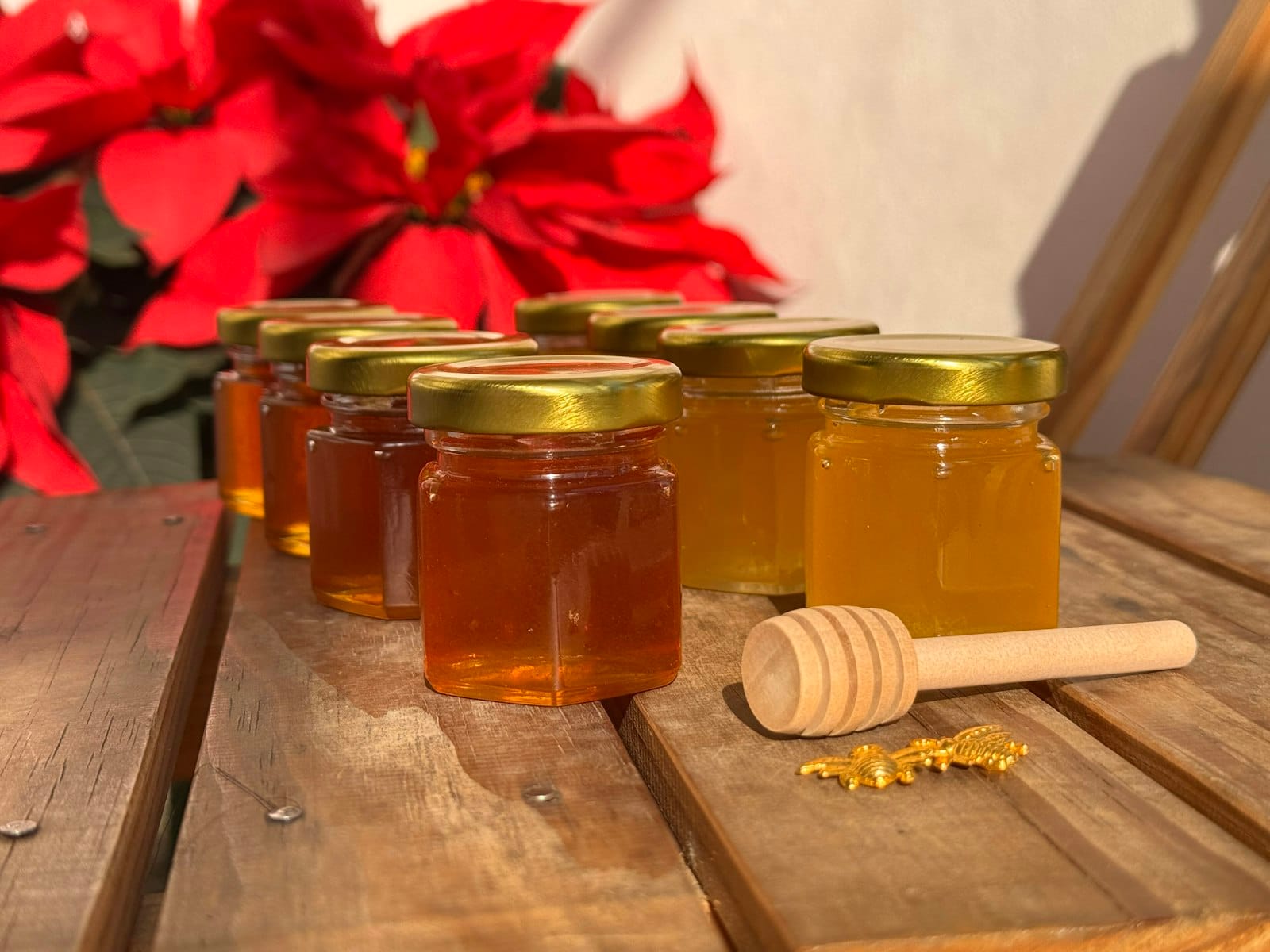
Few foods enjoy such a stellar reputation across cultures and millennia as honey. Cave paintings in Spain dating back 8,000 years depict honey gatherers, the ancient Egyptians used it for wound treatment, and in Islamic tradition, it is considered a healing for people—a description found verbatim in the Quran. Even Ibn Sina dedicated entire chapters to honey in his Canon of Medicine. But how much of this stands up to modern science? Surprisingly, a great deal.
What Makes Honey So Special
Honey is far more than just sugar: it contains over 200 different substances, including enzymes, amino acids, minerals, antioxidants, and the antibacterial hydrogen peroxide, which is produced by an enzyme from bees. Its low water content and acidic pH also make it difficult for bacteria to thrive.
Wound Healing: From Ancient Egypt to the Modern Clinic
Honey is experiencing its most exciting renaissance in wound medicine. Medical honey—especially New Zealand Manuka honey—is now used in hospitals to treat chronic wounds, burns, and even problematic germs like MRSA. Studies show that honey dressings can accelerate the healing of certain wounds and inhibit infections. The active ingredient methylglyoxal (MGO) in Manuka honey is considered key.
Cough and Cold: Better Than Cough Syrup?
A highly regarded review by the University of Oxford in 2020 concluded that honey is often more effective than common over-the-counter remedies for coughs and cold symptoms. The World Health Organization lists honey as a possible home remedy for coughs—especially for children over one year old, a spoonful of honey before bed is a well-supported recommendation.
Important: Children under 12 months should not be given honey (risk of infant botulism).
Antioxidants: Darker Is Better
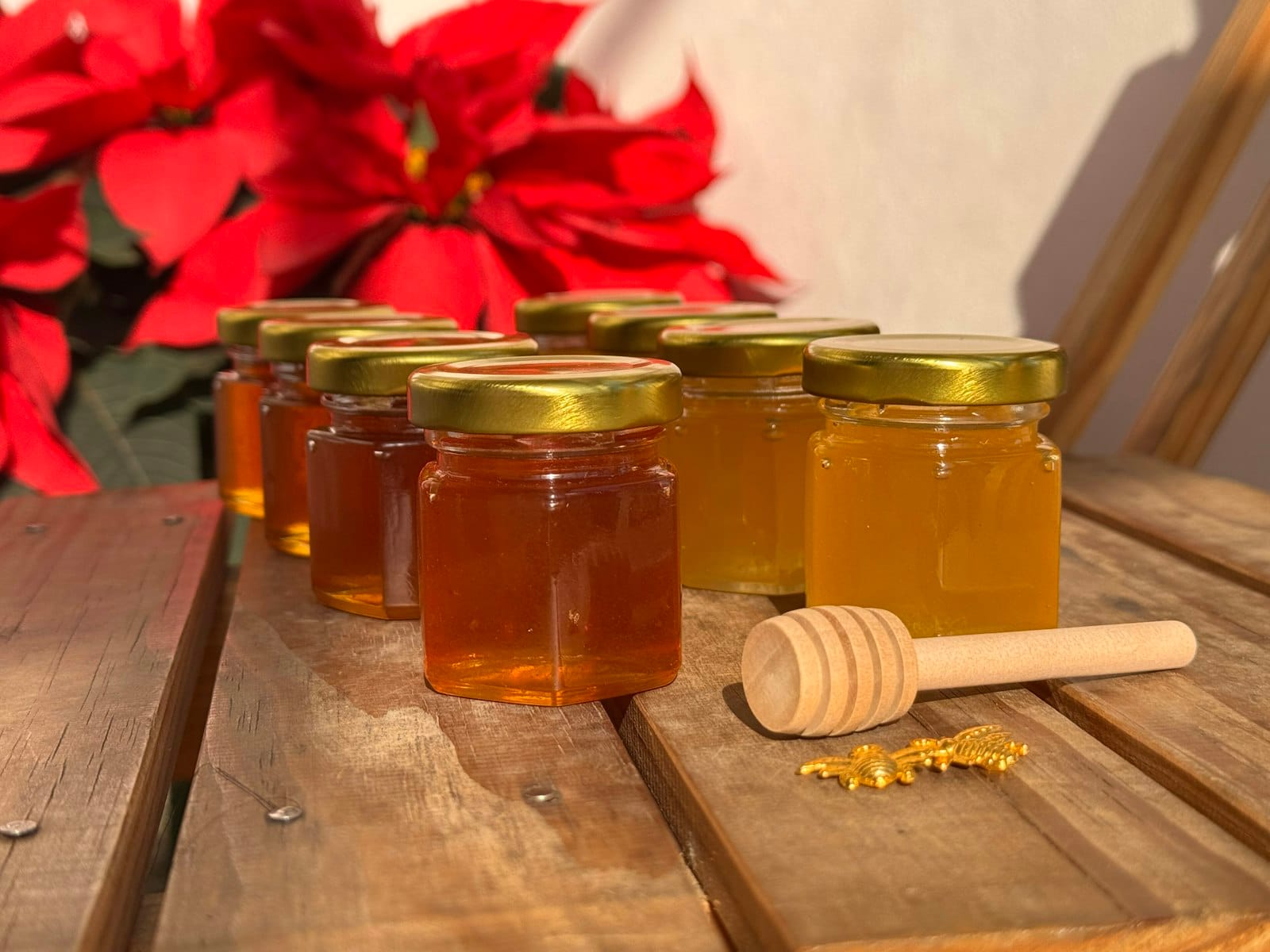
The darker the honey, the higher its content of antioxidant plant compounds. Buckwheat, forest, and chestnut honey top the list. These substances help neutralize free radicals—a factor in cell aging and inflammatory processes.
Manuka Honey (MGO-certified)
Raw honey with tested methylglyoxal content—the gold standard for the immune system.
How to Use Honey Correctly
- Do not heat above 40 °C (104 °F) — Heat destroys enzymes and delicate active ingredients. Add honey to hot tea only when it has cooled to drinking temperature.
- Buy raw and natural — heavily filtered industrial honey loses many valuable accompanying substances.
- Prefer local — Honey from local beekeepers is usually processed more gently.
- Practice moderation — Honey remains rich in sugar: 1-2 tablespoons daily are sufficient.
The Classic Combination: Honey and Black Seed
In traditional medicine, honey is often combined with black seed—a teaspoon of oil in a spoonful of honey. Both bring their own well-researched properties. Learn more in our article about Black Seed and Modern Research.
Sidr Honey: The Treasure from Yemen
Besides Manuka, there is a second honey of global renown: Sidr honey from Yemen. It is produced when bees exclusively collect nectar from the Sidr tree (Ziziphus spina-christi)—a tree already described as blessed in ancient scriptures. Sidr honey is one of the rarest and most valuable honey varieties in the world.
Traditionally, it is valued for strengthening the immune system, treating stomach ailments, and wound care. Studies on Yemeni Sidr honey show antibacterial properties comparable to Manuka. Important when buying: ensure genuine Yemeni origin—pure Sidr honey is rare and comes at a price.

Conclusion
Honey is one of the few traditional remedies that has made the leap into the modern clinic. For coughs, minor wounds, and as an antioxidant companion in everyday life, it is well-supported by scientific evidence—provided you choose quality and use it correctly.