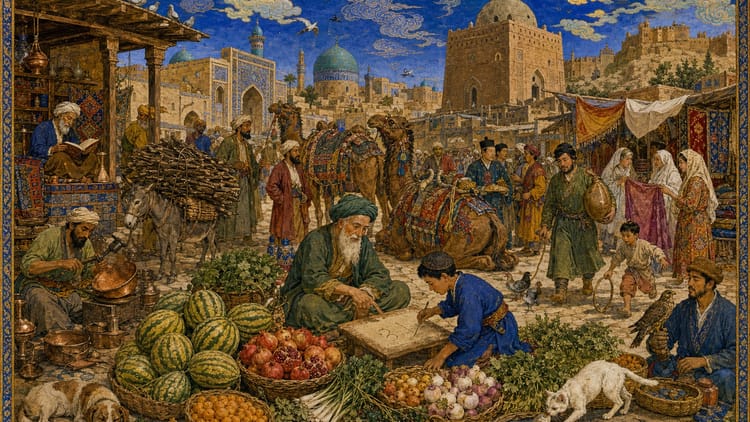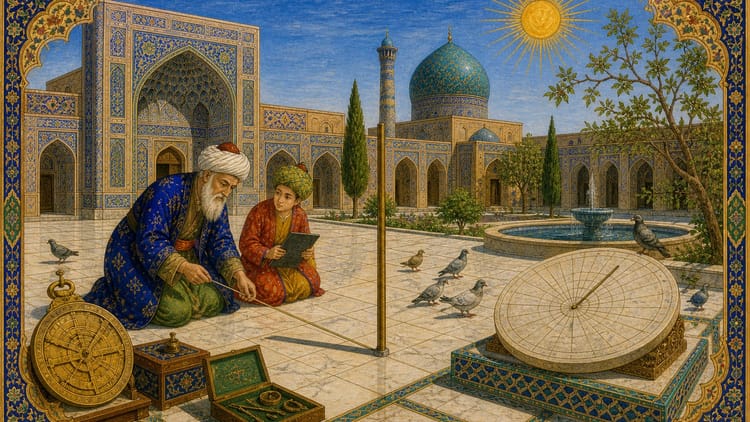
Imagine a doctor who identifies your illness before you feel the first symptom. Who prescribes medication precisely tailored to your genes. And who treats you by correcting faulty letters in your genetic makeup, just like an editor corrects a typo. This isn't science fiction—much of it is happening right now. And what's astonishing: at its core, medicine is returning to an idea that Avicenna described 1000 years ago.
AI learns to see—and sometimes outperforms specialists
Today, artificial intelligence often recognizes skin cancer, diabetic retinopathy, and lung nodules as reliably as experienced specialists—sometimes even more accurately. The reason lies in pattern recognition: a neural network has "seen" millions of images and detects the finest deviations that escape the human eye. In ophthalmology, such AI systems are already approved and screen diabetics for impending blindness—in seconds.
Important: AI does not replace the doctor. It becomes an early warning system that sharpens their perception. The decision remains with the human.
CRISPR: Correcting diseases at their root
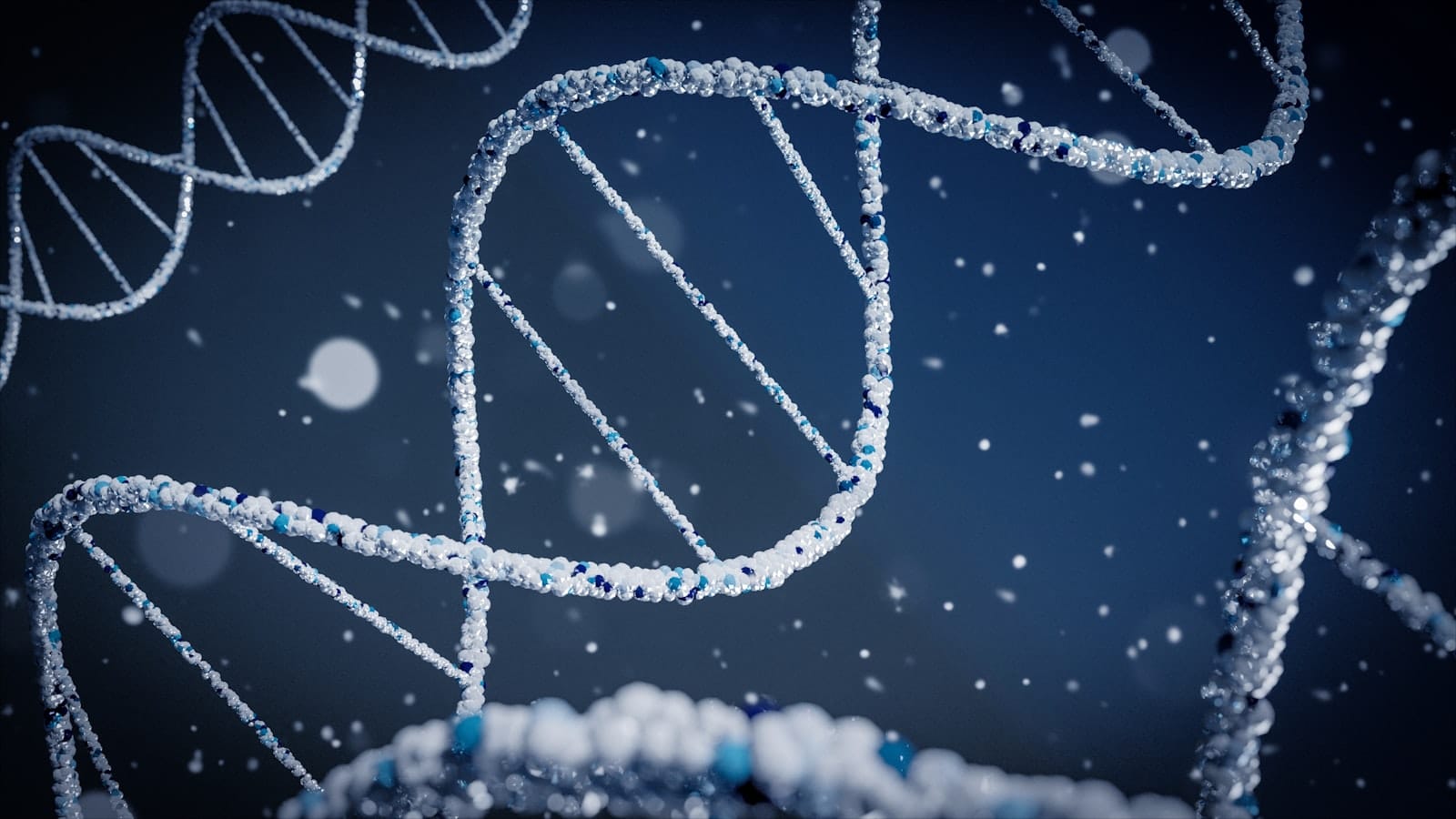
For a long time, the genetic makeup was untouchable. With the "gene scissors" CRISPR, DNA can now be specifically altered. At the end of 2023, Casgevy, the world's first CRISPR therapy, was approved—for sickle cell disease, an inherited blood disorder that afflicts millions of people. Instead of lifelong symptom relief, the therapy corrects the cause in the bone marrow. For many patients, this means a life without the dreaded pain crises for the first time.
mRNA: from vaccine to cancer therapy
mRNA technology became world-renowned through the COVID-19 vaccines. But its true potential lies elsewhere: in personalized cancer vaccines. This involves analyzing a patient's tumor and creating a vaccine that targets the immune system precisely to its unique characteristics. In a study of patients with melanoma, such a vaccination—combined with immunotherapy—significantly reduced the risk of recurrence. Large approval studies are underway. It would be a turning point: a treatment tailored for a single individual.
The forgotten organ: your microbiome
Your gut is home to about 38 trillion bacteria—they influence digestion, the immune system, and even mood via the gut-brain axis. Research is only just beginning to understand how much this "forgotten organ" co-determines health and disease. In the future, a specifically cultivated microbiome could support therapies that are currently purely medicinal.
From healing to predicting
Perhaps the biggest shift: medicine is moving from repair to prediction. Smartwatches can already detect heart rhythm disorders like atrial fibrillation before they become dangerous. Soon, sensors and AI will identify risks long before a disease breaks out—and put prevention in place of treatment.
Back to Avicenna
And this is where the circle closes. 1000 years ago, Avicenna treated not "the disease," but the individual human being—with their individual constitution, lifestyle, and temperament. His entire work was focused on prevention: maintaining health before illness arises. Tomorrow's high-tech medicine—personalized, predictive, preventive—is essentially the technical fulfillment of precisely this ancient vision.
The future of medicine is therefore not a break with tradition. It is its culmination: the deepest knowledge of humanity, combined with the most powerful tools we have ever had. This portal stands for exactly that.