
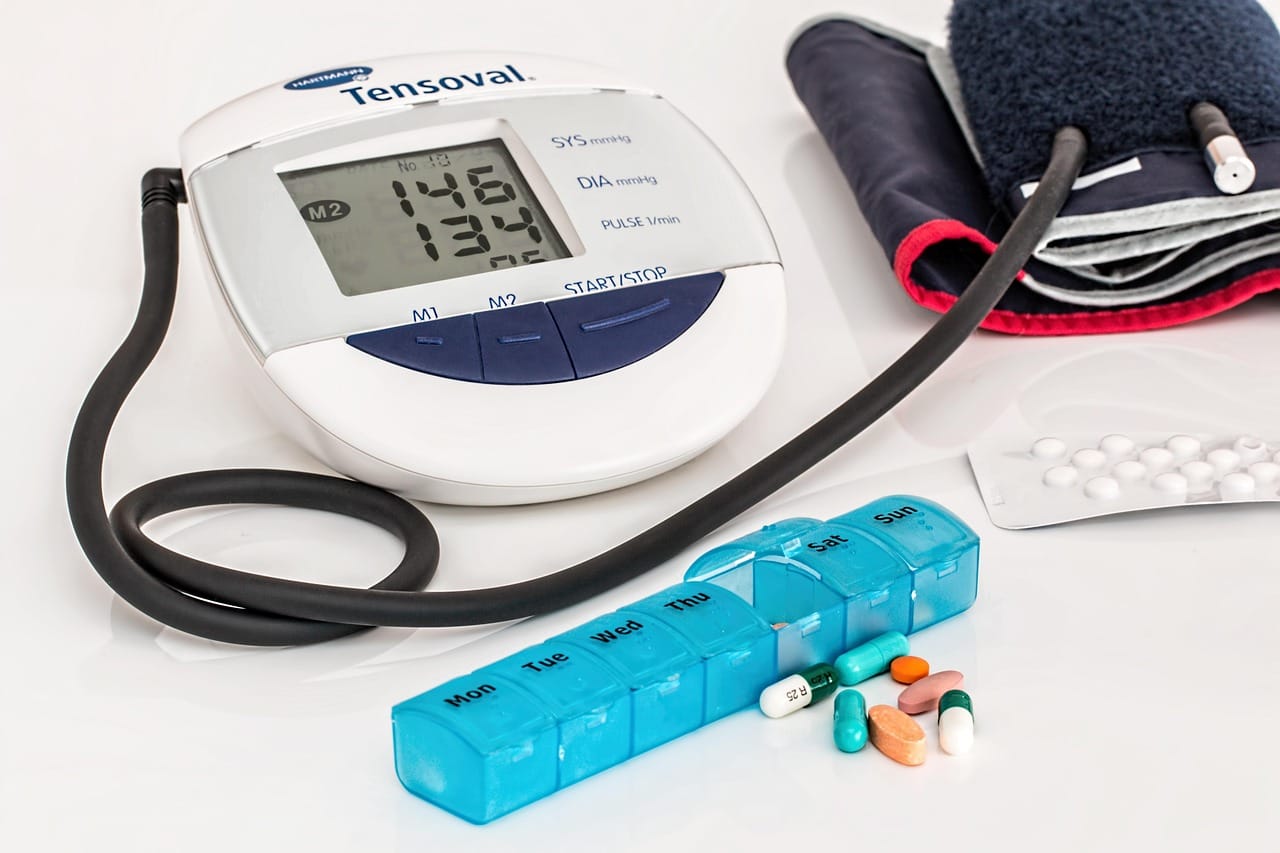
A large French study has identified eight common food preservatives associated with an increased risk of high blood pressure and cardiovascular disease. The research, published in the European Heart Journal, analyzed data from over 112,000 adults in the NutriNet-Santé cohort study over an average of seven to eight years.
Participants with the highest consumption of non-antioxidant preservatives had a 29 percent increased risk of high blood pressure and a 16 percent increased risk of cardiovascular disease. Antioxidant preservatives were associated with a 22 percent increased risk of hypertension.
The team led by Dr. Mathilde Touvier (INSERM) investigated 17 preservatives individually. Eight showed a significant association with high blood pressure – including potassium sorbate (E202), sodium nitrite (E250), ascorbic acid (E300), citric acid (E330), and rosemary extract (E392). Ascorbic acid was also specifically associated with cardiovascular disease.
99.5 percent of participants had consumed at least one of the preservatives within the first two years. The researchers emphasize the observational nature of the study – causality is therefore not proven. Possible mechanisms such as oxidative stress will be investigated in follow-up studies.
The authors recommend prioritizing unprocessed foods where possible and call on authorities like the EFSA and FDA to re-evaluate the safety thresholds of these additives.
Source: Hasenböhler A et al. Preservative food additives, hypertension, and cardiovascular diseases: the NutriNet-Santé study. European Heart Journal, 2026. DOI: 10.1093/eurheartj/ehag308